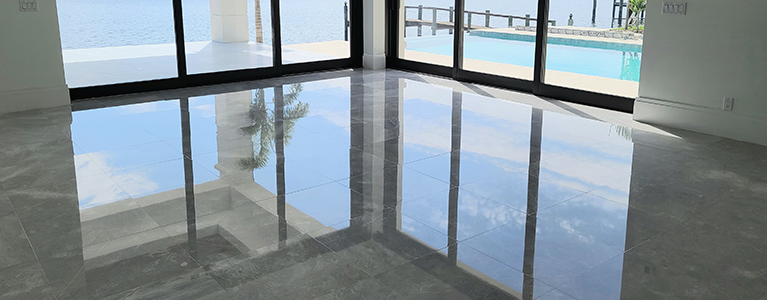
How To Treat Spills And Accidents On The Marble In My Home
Marble is one of the most beautiful surfaces you can have in your home. Its natural veining and timeless look make it a favorite for kitchens, bathrooms, and living spaces. But as elegant as it is, marble is also delicate. It can stain, etch, or scratch easily if not handled with care.
If you’ve ever spilled wine on your countertop or noticed water rings on your vanity, you know how quickly marble can show damage. The good news is that most accidents can be treated and with the right care, your marble can look as polished as the day it was installed.
This guide explains how to deal with spills, what not to do, and how to protect marble for the long run.
Understanding Why Marble Is Sensitive
Marble is made mostly of calcium carbonate, which reacts with acids and other common substances. That’s why everyday items like coffee, orange juice, or vinegar can cause dull spots or “etching.” Other liquids, like oils or wine, may sink into the pores of the stone and leave behind stains.
It’s important to know the difference:
- Etching: A dull or cloudy mark caused by acidic or harsh substances eating into the surface.
- Staining: A discoloration caused when a liquid is absorbed into the stone.
Knowing what you’re dealing with will help you decide how to respond.
Preventive Measures for Protecting Marble
The best way to deal with stains is to stop them before they happen. A few preventive steps will keep your marble surfaces in better shape for years:
- Use safe cleaners. Marble doesn’t respond well to common household cleaners. Anything with vinegar, lemon, or other acids will dull the surface. Harsh scrubbing pads can leave scratches that are difficult to fix. Instead, stick to pH-neutral stone cleaners and use soft cloths or non-abrasive sponges for everyday care. A simple routine with the right products will protect your stone from unnecessary wear.
- Use coasters and trivets. Liquids are one of marble’s biggest enemies. Drinks like wine, citrus juice, and coffee can leave stains or etch marks in just a few minutes. Placing coasters under glasses and trivets under hot dishes creates an easy barrier. It takes no effort, but it prevents damage that would otherwise require professional restoration.
- Protect high-traffic areas. Floors take the brunt of daily life. Dirt, sand, and grit carried in from outside can scratch polished marble surfaces over time. Placing rugs and mats near doors and in busy spaces helps catch debris before it reaches the floor. For families and households with pets, this small step makes a noticeable difference.
- Clean floors gently. A soft, untreated dust mop is the safest tool for marble floors. Vacuuming is fine too, but make sure wheels and attachments are in good condition. Worn plastic or metal pieces can leave marks on the stone. Avoid mops soaked in harsh cleaning chemicals — water and a stone-safe cleaner are all you need.
- Blot spills right away. The longer a liquid sits, the deeper it can seep into marble. Whether it’s water, coffee, or oil, blotting the spill immediately with a clean cloth prevents permanent stains. Even small drips from a glass or bottle should be wiped up quickly.
These small habits can save you from costly repairs later.
Immediate Steps To Take After a Spill
When an accident happens, how you respond makes a big difference. Here’s what to do:
- Blot, don’t wipe. The first instinct is often to wipe, but this spreads the spill. Instead, gently blot with a paper towel or soft cloth to lift the liquid without pushing it further into the stone.
- Use clean water. If the spill isn’t oily or acidic, rinse the area with a little clean water. This helps dilute anything left behind. Always use a small amount — marble doesn’t need to be soaked.
- Avoid scrubbing. Scrubbing can scratch or dull the finish. Even if you’re in a hurry, avoid steel wool, rough sponges, or strong brushes. Stick to soft, non-abrasive cloths.
- Dry the area. Once you’ve blotted and rinsed, dry the surface completely. Leaving water to air-dry can create spots or streaks that are just as frustrating as the spill itself.
Common Types of Spills and How To Handle Them
Different spills call for different responses:
- Acidic liquids (wine, citrus, vinegar): These are the toughest on marble. Acids react with the calcium in the stone, causing etching — dull marks that look like stains but are actually surface damage. Blot the liquid immediately, rinse with water, and dry the area. If etching has already occurred, professional honing or polishing is usually needed.
- Oils (cooking oil, lotion, cosmetics): Oil can seep into the stone’s pores and leave a dark spot. Blot as much as possible, then cover the area with baking soda or cornstarch to absorb the residue. Leave it for a few hours before wiping clean. If the stain remains, a professional poultice may be required.
- Dark liquids (coffee, tea, soda): These liquids contain strong pigments that marble quickly absorbs. Blot right away, rinse lightly with water, and clean with a pH-neutral stone cleaner. The faster you act, the less chance the color will set.
- Bathroom products (toothpaste, shampoo, mouthwash): Many of these contain dyes, acids, or alcohol that can leave behind marks. Always wipe up right away and rinse the area with water. If residue dries on the surface, use a soft damp cloth to lift it before it causes lasting damage.
What Not To Do
When cleaning marble, avoid these common mistakes:
- Don’t use vinegar, lemon juice, or any cleaner with acid.
- Don’t use scouring powders, rust removers, or bleach.
- Don’t scrub with steel wool, rough sponges, or abrasive brushes.
- Don’t try random “home remedies” — many cause more harm than good.
Long-Term Protection for Marble
Even with daily care, marble needs more than quick cleanups to stay in its best shape. Over time, small spills, foot traffic, and everyday use leave behind marks that can’t always be handled at home. That’s where professional care makes the difference.
Sealing the surface. A professional-grade sealer reduces how much liquid marble can absorb. This extra layer of protection buys you time when spills happen and makes everyday maintenance easier. Sealers don’t make marble stain-proof, but they do make it more resistant to damage.
Polishing and honing. Dull spots, scratches, or etched areas build up slowly. Professional polishing restores the shine and evens out the surface so the stone looks refreshed. In some cases, honing which smooths the stone at a deeper level is needed to correct wear.
Regular maintenance. Using a pH-neutral stone cleaner for daily care keeps marble clean without harming it. For homeowners, this means less buildup between professional visits. For busy households, scheduling routine professional maintenance every year or two ensures the stone stays bright and strong long-term.
Taking these steps turns marble from a delicate surface you’re always worried about into one you can enjoy every day.
When To Call a Professional
Sometimes, no matter what you do at home, a spill leaves behind damage. That’s when it’s time to call a professional stone restoration company. Signs you need expert help include:
- Stains that don’t go away after cleaning.
- Etched or dull areas that affect large sections of the surface.
- Scratches or chips in floors, countertops, or vanities.
- Marble that hasn’t been sealed or polished in years.
At Just Call Classic, our technicians specialize in marble cleaning, polishing, and restoration. We identify the type of stone, diagnose the damage, and apply the right treatment to restore its natural beauty.
Keep Your Marble Looking Its Best
Marble adds beauty and elegance to your home, but it also requires care. Quick action after a spill, safe cleaning habits, and regular maintenance all make a difference. And when stains or etching go beyond what you can treat yourself, professionals can bring marble back to life. Contact Just Call Classic today to schedule marble cleaning, sealing, or restoration in South Florida.