How to Clean and Care for Stone Patios and Walkways
Natural stone is a wise investment for surfaces inside and outside residential homes including surrounding patios and walkways. Natural stone can last for decades, is visually appealing, and does not take excess effort to maintain. So how exactly should you clean natural stone patios?
Although not difficult to care for, these surfaces cannot be neglected. Regular care and maintenance are critical for the integrity and life of these surfaces. Individuals are more likely to neglect a natural stone surface when it is located on outdoor patios and walkways. This informational guide was created to help homeowners care for their stone patios and walkways and prevent avoidable damages.
Understanding the Type of Stone in Your Patio or Walkway
Before choosing cleaning products or maintenance methods, it’s important to understand what type of natural stone is installed in your patio or walkway. Different stones have different densities and levels of porosity. For example, limestone and travertine are softer and more absorbent, while granite and quartzite are denser and more resistant to staining.
Using the wrong cleaner or applying excessive pressure during cleaning can cause surface damage, especially on softer stones. If you are unsure which material was used in your installation, a professional evaluation can help determine the safest cleaning and sealing approach. Proper identification ensures you protect the stone’s natural finish while extending its lifespan.
How to Clean Natural Stone Patios
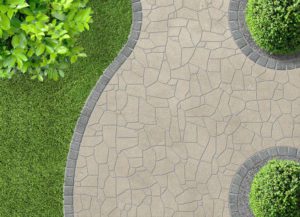
Natural stone provides a timeless aesthetic beauty around the outside of a home or business. These areas can quickly become less visually appealing when covered in dirt, mildew, and/or stains. Not cleaning and caring for patios and walkways will likely result in discoloration and damage that can be expensive to repair.
Homeowners must take extra care when cleaning a natural stone patio. The most important thing is to remember to sweep patios and walkways regularly. A buildup of leaves can decompose and stain the surface. Other debris can cause eventually erosion, resulting in other damages, including chips and scratches.
Regular cleaning should also be performed in addition to sweeping. Use the following method to safely clean stone patios and walkways:
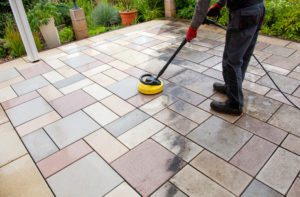
- After a thorough sweeping use a water hose to rinse off all surfaces. Use the fan setting on your water hose to avoid using too much water pressure.
- Use a stone-safe cleaner. There are products specifically developed for each type of natural stone. If these are not available, use mild dish detergent mixed with warm water.
- Use a non-wire brush to scrub patio and walkway surfaces. Never use wire brushes because this result in scratches on the stone.
- Leave water on the surface for up to ten minutes, rescrub if stains are still present, followed by a rinse with more warm water.
This process should remove grime and minor stains from the stone. Home and business owners will need to contact a professional for an evaluation if stains are still present after regular stone cleaning. Deep set stains may require a technician to use professional equipment to polish and restore the stone.
How Often Should Natural Stone Surfaces Be Cleaned?
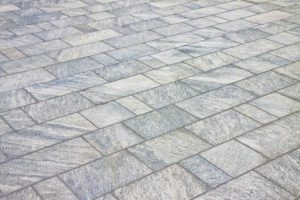
How often stone patios and walkways should be cleaned will depend on several factors, including the number of people who traffic the area, and the amount of foliage and dust that are prevalent. Homeowners typically need to clean their outdoor areas a minimum of 3x a week to keep the areas clean and prevent stains.
Businesses with natural stone walkways and/or patios will need to clean these surfaces on daily basis for protection.
The Elements
Outdoor stone is at an increased risk of damages from the elements. Rain, ice, debris, and dust from stormy weather can result in damages if neglected. Be sure to always clean or (at minimum) dry stone after it is affected by the weather.
Preventing Mold, Mildew, and Algae Growth
Outdoor stone surfaces, particularly in humid climates, are vulnerable to mold, mildew, and algae growth. These organic buildups not only affect the appearance of patios and walkways but can also create slippery conditions that pose safety risks.
To reduce the likelihood of growth, ensure proper drainage around the patio and trim back nearby landscaping that blocks airflow and sunlight. Regular rinsing and cleaning help prevent spores from settling into porous stone. If discoloration persists despite routine maintenance, professional deep cleaning may be required to safely eliminate biological growth without damaging the stone.
Joint and Grout Line Maintenance
While most homeowners focus on cleaning the stone surface itself, the joints between stones require equal attention. Patio installations often rely on grout, mortar, or polymeric sand to hold stones securely in place. Over time, heavy rain, foot traffic, and environmental wear can weaken these joints.
When joints begin to erode or crack, stones may shift or become uneven. This not only affects the appearance of the patio but can also create tripping hazards. Regularly inspect joints for gaps or crumbling material, and address small issues early before they lead to more costly structural repairs.
Should Stone Patios Be Sealed?

Seal outdoor stone regularly to increase its protection it from the elements, spills, and scratches. After sweeping and cleaning the surfaces a stone sealer can be buffed onto the surface. This is an intricate task that requires an individual to work carefully, section by section until the entirety of the area is buffed.
Many home and business owners choose to hire a stone professional for this task to prevent hazing. This is the best decision because these technicians are experienced in stone care and maintenance services, making them aware of this risk, and providing them the knowledge to avoid it from occurring.
How to Tell When Resealing Is Needed
A simple water test can help determine if resealing is necessary. Place a few drops of water on the stone surface and observe how it reacts. If the water beads up, the seal is still effective. If the stone darkens quickly and absorbs the water, it may be time to reseal.
Most outdoor stone patios should be resealed every one to two years, depending on exposure to sun, rain, and traffic levels. Regular resealing helps prevent staining and moisture penetration while preserving the natural color of the stone.
Avoidable Mistakes
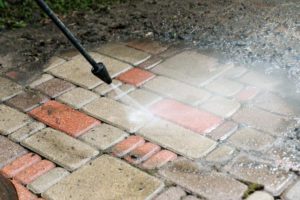
There are several preventative tips to keep the natural stone from suffering from avoidable damages. These include cleaning up messes when they occur and using the appropriate cleaners.
Spills
Always clean up any and all spills on natural stone as soon as they occur. Use warm water and a stone-safe cleaning agent to remove the stain before it penetrates the stone. After a stain soaks into the stone, it will become nearly impossible to safely remove.
This is particularly important if you have a grill on your patio. Always be extra cautious and keep an eye open for any grease splatter, food droppings, or spilled beverages.
Harsh Cleaners
Never use a harsh household cleaning agent on patio and walkways. This can lead to several unsightly issues, including etching and/pitting on the stone. Acidic cleaners are the worst product for stone surfaces. Repairing the damages from this mistake could be costly.
Additional Cleaning Mistakes to Avoid
Beyond spills and harsh chemicals, there are other common mistakes that can unintentionally damage natural stone patios. High-pressure washing at excessive settings can erode softer stones and weaken joints. Wire brushes can scratch the surface, leaving permanent marks. Mixing multiple cleaning chemicals can also cause adverse reactions that affect the stone’s finish.
Another often-overlooked mistake is neglecting drainage issues. Standing water can accelerate staining and deterioration over time. Taking preventative measures and using proper techniques will help protect your patio investment long-term.
Signs Your Stone Patio May Need Professional Restoration
Routine cleaning can maintain the appearance of natural stone, but certain issues require professional attention. Deep staining that does not improve with proper cleaning, surface flaking, visible etching, uneven coloration, or loose stones are all signs that restoration may be needed.
Professional restoration can involve deep cleaning, honing, polishing, joint repair, and resealing to restore both appearance and structural stability. Addressing these issues early can prevent more extensive and expensive repairs in the future.
Professional Stone Services
Stone surfaces are an expensive investment that should be regularly examined for damages. Check for cracks, etching, scratches, chips, or any other sign of an issue with stone. Never try to repair these issues without a professional evaluation. Attempting to fix natural stone can further damage the surface because it does require specialized tools and skills.
Just Call Classic
Just Call Classic is the only team of licensed, trained, natural stone specialists that South Florida trusts to care for their stone surfaces. Just Call Classic provides its clients with commercial, residential, and yacht stone repair, care, and maintenance services.
This team of experienced and qualified technicians works with a wide range of natural stone, including:
- Marble
- Granite
- Quartzite
- Travertine
- Onyx
- Limestone
- Terrazzo
Just Call Classic is family-owned, licensed, and insured. Committed to providing the best stone care in the state. Trust your investment to a team of experienced professionals to provide stone maintenance, repair, and/or restoration. Reach out today for more information about their list of services.