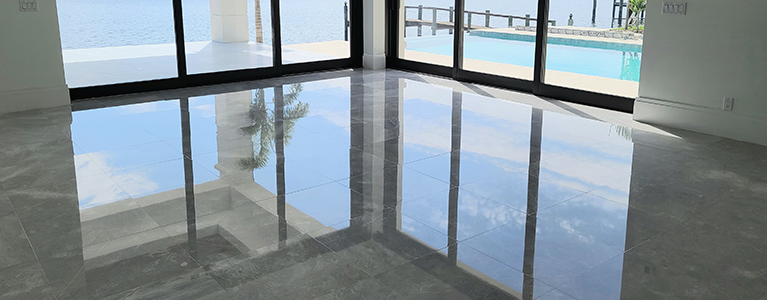
Does Salt Water Damage Marble on Yachts?
Luxury yachts often feature stunning marble floors, countertops, and spa areas. While marble elevates onboard elegance, the marine environment presents unique risks that many owners overlook.
One of the most common questions we hear is: Does salt water damage marble?
The short answer is yes. Over time, the combination of marble and salt water exposure can significantly impact the stone’s appearance and integrity.
Understanding how salt air and moisture affect marble is critical to protecting your yacht’s investment.
Marble and Salt Water: What Happens Over Time?
Marble is a porous natural stone. In a marine environment, it is constantly exposed to:
- Salt water spray
- Salt-laden air
- High humidity
- Condensation
- Tracked-in seawater from decks
Even when yachts are docked, airborne salt particles settle onto interior surfaces daily. When this salt mixes with moisture, it creates conditions that accelerate surface deterioration.
Does Salt Draw Moisture Out of the Air?
Many people ask, does salt draw moisture out of the air? The answer is yes. Salt is hygroscopic, meaning it attracts and absorbs moisture from the surrounding environment.
On a yacht, this creates a cycle:
- Salt particles settle onto marble surfaces.
- The salt attracts moisture from humid marine air.
- That moisture lingers on the stone.
- Over time, this repeated exposure weakens protective sealers and affects the marble’s finish.
This is one of the main reasons marble in marine environments requires specialized care beyond standard residential maintenance.
Does Salt Water Damage Marble?
Yes, salt water can damage marble in several ways:
Surface Dulling
Salt crystals act as microscopic abrasives. When walked across or wiped improperly, they slowly wear down polished finishes.
Sealer Breakdown
Salt exposure reduces the lifespan of protective sealers, leaving marble more vulnerable to staining and etching.
Increased Porosity
Moisture absorption can make marble more susceptible to discoloration and long-term structural weakening.
Etching and Surface Degradation
When salt interacts with moisture and contaminants, it can contribute to subtle chemical reactions that dull the surface.
Without routine yacht marble polishing, these issues gradually reduce the brilliance and value of onboard stone.
What Causes Marble to Deteriorate on Yachts?
If you are wondering, what causes marble to deteriorate, especially in marine settings, the answer is a combination of environmental stressors:
- Salt air exposure
- Constant humidity
- Temperature shifts between outdoor heat and interior air conditioning
- Acidic spills from food and beverages
- Improper cleaning products
- Lack of professional maintenance
Marine environments amplify these factors, making yacht stone restoration a necessary long-term strategy rather than an occasional fix.
Areas Most Vulnerable to Marine Damage
Certain areas of yachts experience greater exposure to marble and salt water interaction:
- Entryways from exterior decks
- Staircases connecting outdoor spaces
- Salon floors with high guest traffic
- Master baths and steam showers
- Galley countertops
These areas often require more frequent yacht marble polishing to maintain their appearance.
Why Yacht Marble Polishing Is Essential
Professional yacht marble polishing does more than restore shine. It:
- Removes salt-induced dullness
- Eliminates light surface scratches
- Corrects minor etching
- Restores smoothness and clarity
- Prepares the surface for protective sealing
Regular polishing prevents minor marine damage from escalating into costly restoration.
The Importance of Yacht Stone Restoration
When marble begins to show signs of wear, full yacht stone restoration may be necessary. This process can include:
- Honing to remove deeper surface damage
- Re-polishing to restore original finish
- Professional sealing to guard against salt and moisture
- Targeted repairs for chips and cracks
Yacht stone restoration protects resale value and preserves the luxury experience expected onboard.
Protecting Marble from Salt and Moisture Damage
To minimize deterioration caused by marble and salt water exposure:
- Schedule routine professional inspections
- Maintain protective sealers
- Avoid acidic or abrasive cleaners
- Address dullness early with yacht marble polishing
- Implement consistent professional maintenance plans
Preventive care is always more cost effective than full replacement.
Trust South Florida’s Yacht Stone Restoration Experts
For nearly 30 years, Just Call Classic has specialized in yacht marble polishing and yacht stone restoration throughout South Florida’s marine community. We understand how salt air, humidity, and constant moisture affect marble surfaces and provide precision restoration designed specifically for marine environments.
If you are concerned about marble and salt water exposure aboard your vessel, our team can assess, restore, and protect your stone surfaces with expert care.
Contact Just Call Classic today to schedule your yacht marble polishing consultation and protect your investment from salt air and moisture damage.